

What is in those sumo envelopes? Vouchers? Gift Cards? Yes, I thought the same thing. I was sitting back the other night, finishing off a protein shake after a session and flicking through the latest highlights on YouTube. Even after living in Australia for over 30 years, I still find myself sucked into the world of Sumo. There is something about the sheer scale of it that is mesmerising.
If you have been watching the highlights of the national championships lately, the Hatsu Basho, you probably noticed the same ritual I did. After a massive bout, especially the recent January 2026 final where the Ukrainian sensation Aonishiki went against Atamifuji, the winner squats down and performs a sharp hand sword gesture. The referee then hands over a stack of fat sumo envelopes. It looks more like a scene from a movie than a sporting event.
Since I have not quite made it to a live tournament yet, I decided to do a bit of digging to see what is actually in those sumo envelopes. It turns out it is not just a fancy certificate. It is cold, hard cash, and the system behind it is actually pretty clever.
The Kensho kin: Sponsored Prize Money
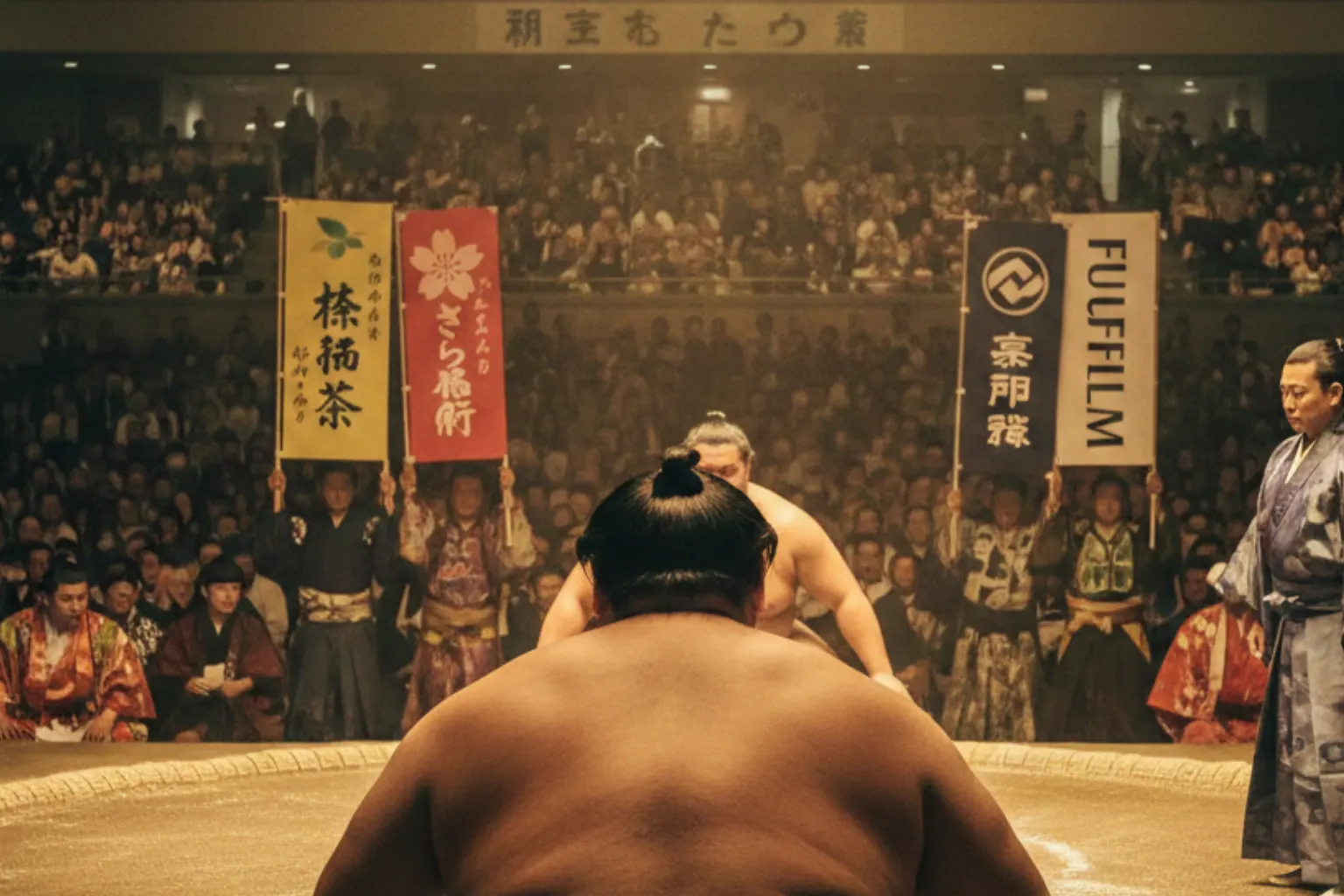
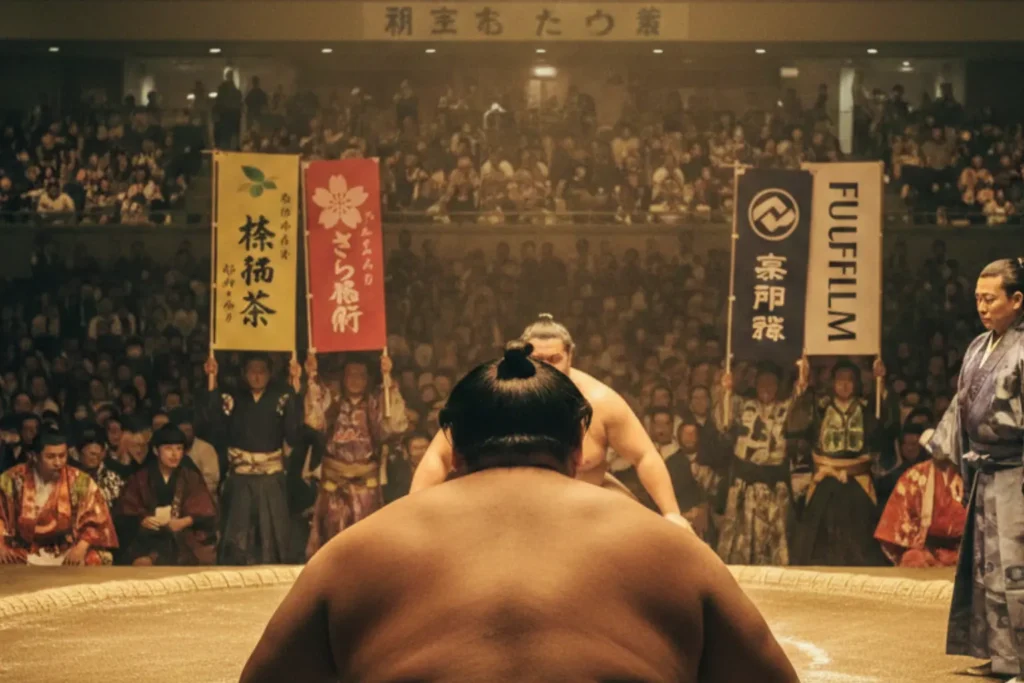
In simple terms, those sumo envelopes are sponsored prize money called Kensho kin. Before the big matches, usually featuring the elite Makuuchi wrestlers, you will see guys parading around the ring with colourful banners. Each of those banners represents a company, from travel agencies to electronics brands, that has put up the cash for that specific fight.
The cost for one banner is around 70,000 Yen (which is roughly $700 to $750 AUD). But the wrestler does not just walk out and spend the lot. The Japan Sumo Association (JSA) takes a cut to make sure the guys are looked after long term.
| Recipient | Amount (JPY) | Purpose |
| The Wrestler | 30,000 Yen | Immediate cash in the envelope. |
| The JSA (Reserve) | 30,000 Yen | Held in trust for the wrestler’s retirement. |
| The JSA (Admin) | 10,000 Yen | Covers banner printing and admin. |
When Aonishiki clinched that victory in the playoff against Atamifuji with a clever headlock throw, he walked off with a mountain of sumo envelopes. In that January tournament alone, a record 3,469 envelopes were sponsored. At that level, a winner can easily pull in $15,000 to $20,000 AUD for a single match that might only last ten seconds. Not a bad hourly rate, even if you do have to take a few hits for it.
A 1500 Year Old Tradition
Sumo is not just a scrap; it is a Shinto ritual that goes back to the Nara Period. It started as a way to ensure a good harvest and keep the spirits on side.
The professional side of things really took off during the Edo Period, which is when the circular ring (dohyo) and the rankings were formalised. Even now, the Shinto influence is everywhere, from the shrine style roof hanging over the ring to the salt throwing ritual, which is about purifying the ground and driving away bad vibes before the match starts.
The Te gatana: Why the Hand Gesture?
Before the winner grabs that stack of cash, he makes three distinct chopping motions. This is called te gatana (hand sword). It is a sign of gratitude to the three gods of creation. He is basically acknowledging that the win (and the cash) is a gift from a higher power. It is a bit more dignified than a victory lap, though maybe slightly less rowdy than what we are used to back home.
Size, Health, and the Long Game
The obvious question when watching these highlights is how they manage to stay healthy at that size. Most elite rikishiare carrying between 140kg and 250kg, which is a massive amount of weight for any frame.
The Active Healthy Fat
Surprisingly, while they are training, they are often metabolically healthy. Because they work out so intensely for hours every day, they store most of their fat as subcutaneous fat (under the skin) rather than the dangerous visceral fat that wraps around the organs. They fuel this with Chankonabe, a high protein stew, usually skipping breakfast to keep their metabolism slow and then napping right after a massive lunch to pack on the kilos.
The Reality of Retirement The catch is that the human body is not built to carry 200kg for decades.
- Life Expectancy: Sumo wrestlers often have a life expectancy of 60 to 65 years, significantly shorter than the average Japanese male.
- The Risks: Once the five hour daily training sessions stop, that healthy fat can quickly lead to heart issues and diabetes. This is why modern stables now use nutritionists to help guys like Aonishiki and Atamifuji plan for a slim down once they eventually hang up the mawashi.
Your Guide to Seeing Sumo Live
If you are like me and have only seen the action on YouTube, planning a trip to see it in person takes a bit of organising. Tokyo is the main hub, but the show moves around the country throughout the year.
Where and When to Watch
The big tournaments, known as Honbasho, happen six times a year. Each one lasts 15 days.
- Tokyo: January, May, and September at the Ryogoku Kokugikan. This is the spiritual home of the sport and where I stayed near the temples.
- Osaka: March at the Edion Arena.
- Nagoya: July at the IG Arena.
- Fukuoka: November at the Fukuoka Kokusai Centre.
If you are not in Japan during those months, look for Jungyo (regional tours). These are smaller, one day events held in various towns across Japan. They are much more relaxed, and you can often get closer to the wrestlers for photos or autographs.
Which Seats are Worth the Money?
- Chair Seats (2nd Floor): These are the best value. You get a clear, unobstructed view of the whole ring and actual back support. Perfect for a first timer.
- Masu Box Seats (1st Floor): You sit on cushions in a small wooden square. It is the classic way to watch, but if your knees are not what they used to be, sitting cross legged for hours is a challenge.
- Tamari (Ringside): These are the sand shower seats. You are right in the thick of it, but they are expensive and hard to snag. Plus, there is a genuine chance a 150kg wrestler might land on your lap.
How to Snag Tickets
Official tickets go on sale about a month before the tournament starts on the Ticket Oosumo website. They sell out fast, sometimes in minutes. If you miss out, third party sites like Klook or Viator are your best bet. They cost a bit more, but they take the headache out of the booking process.
Planning the Next Trip
On our last trip to Japan, we did the classic tourist run. We headed out to Mount Fuji, visited a ninja school, and saw the Oshino Hakkai, those incredible fresh water springs where they actually sourced water for the space shuttle. We even did the Disney double header and we stayed near the temples in the city (which was amazing).
As much as I loved the springs and the theme parks, watching those highlights makes me realise I missed a trick not catching a tournament. Next time I am back in Japan, getting ringside is definitely at the top of the to do travel list.
So, the next time you are watching the highlights and see those fat envelopes being handed over, you will know exactly what is going on. Those Kensho kin sumo envelopes are a unique blend of corporate sponsorship and ancient tradition. They provide the winner with immediate cash for the night and a vital retirement nest egg for their life after the ring.
