
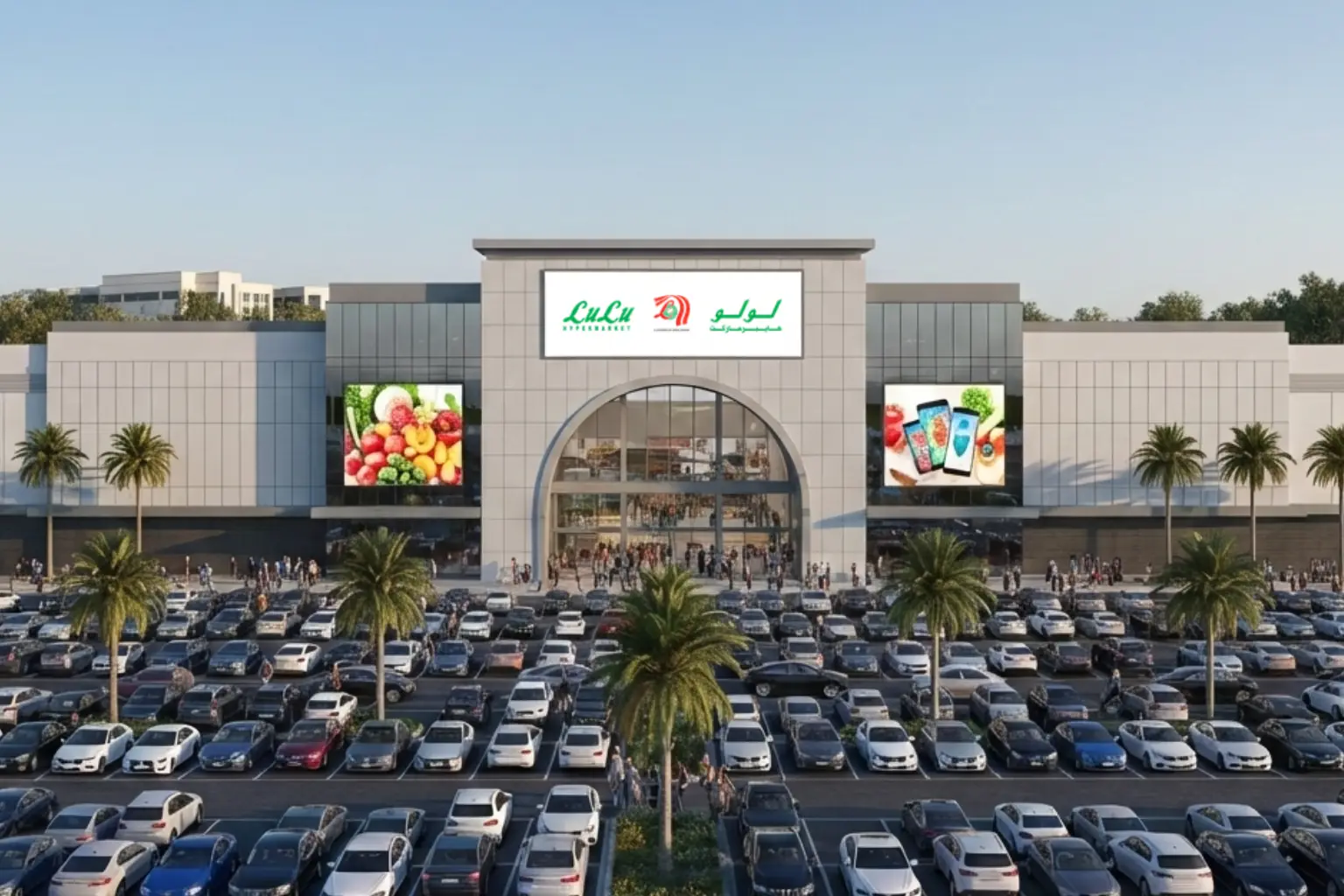

If you know me, you’ll know I have followed the Costco’s entry into the Australian market. The Australian grocery market has been dominated by a few major players for decades. While we have seen the successful entry of Aldi and the ongoing expansion of Costco, the core supermarket experience in Australia has remained largely unchanged for many years. However, the possibility of Lulu Hypermarket Australia entering the market has recently become a major topic of conversation among shoppers and industry experts alike. As a traveller who has frequently visited massive retail centres in the Middle East and Asia over the years, I have seen firsthand how they operate and what they could potentially bring to our local retail landscape.
Early this year, the discussion around international competition has reached a new level of intensity. With many Australian households continuing to feel the pressure of rising food costs, the arrival of a global giant like Lulu Group could offer a much needed alternative to the current status quo. I have been researching the latest developments to see how close we actually are to seeing a Lulu Hypermarket store open on Australian soil.
The Official Invitation to Lulu Hypermarket Australia
The momentum for this potential expansion began in late 2025 during an official visit by Prime Minister Anthony Norman Albanese to a Lulu Hypermarket in Abu Dhabi. During his tour, he formally encouraged the group chairman, Yusuff Ali, to consider expanding the brand into the Australian market. This was not merely a symbolic gesture; it was a strategic move aimed at addressing the lack of competition in the Australian supermarket sector.+1
This invitation was strategically timed to coincide with the Australia UAE Comprehensive Economic Partnership Agreement (CEPA), which officially entered into force on 1 October 2025. This landmark trade deal has eliminated tariffs on over 99 percent of Australian exports to the United Arab Emirates. More importantly, it has paved the way for increased two way investment. For Lulu Hypermarket in Australia, this agreement removes many of the financial and regulatory barriers that might have previously made an entry into our market too difficult or expensive.
What Consumers Can Expect Inside a Lulu Hypermarket
If you have never visited a Lulu location while travelling, it is important to understand the scale of these operations. A typical Coles or Woolworths store in Australia usually covers about 3,000 square metres. In contrast, a Lulu Hypermarket is often three times that size, frequently exceeding 9,000 to 10,000 square metres.
A True Hypermarket Experience
Inside a Lulu Hypermarket Australia location, you would likely find a massive fresh food section that goes far beyond what we currently see in our local stores. They are renowned for their vast displays of international produce, including an extensive variety of spices, grains, and specialty fruits. One of the primary highlights is the live cooking stations and expansive hot food counters. Instead of just a standard rotisserie chicken, you might find a full range of freshly prepared curries, artisan breads, and international dishes ready to take home immediately.
Integrated Electronics and Lifestyle Departments
The hypermarket concept is built on the idea of a “one stop shop.” Walking through the store, you would move seamlessly from groceries into a full electronics department known as Lulu Connect. This section typically stocks the latest smartphones, laptops, printers and large home appliances. Furthermore, there is usually a significant area dedicated to fashion, footwear, and household goods. It essentially functions as a supermarket, a supplement store, a department store, and an electronics retailer all merged into one massive space.
Is It a Membership Club Like Costco
A common question for those unfamiliar with the brand is whether Lulu Hypermarket operates on a subscription model. The answer is no. Unlike Costco, there is no annual membership fee required to enter a Lulu Hypermarket.
It operates exactly like a standard supermarket where the general public is free to walk in and shop. You do not need to hold a membership card, and importantly, you are not required to buy in bulk to access their pricing. While Costco focuses on large warehouse quantities for paid members (and Woolworths almost with their paid rewards now), Lulu is a traditional retailer open to everyone for weekly grocery trips or occasional visits.
Competitive Pricing and Global Sourcing Strategies
The primary reason many Australians are interested in the prospect of Lulu Hypermarket in Australia is the potential for lower grocery prices. Lulu Group utilizes a unique business model that relies on a massive global sourcing network. They operate logistics and procurement centres in over 27 countries, which allows them to buy products directly from the source rather than through third party wholesalers.
By removing the middlemen, they can often offer prices that the dominant Australian chains struggle to match. Their “farm to store” strategy is particularly effective for fresh produce. During the 2026 “Explore Australia” campaign recently held in Qatar and the UAE, it was noted that Australian beef and dairy were being sold at highly competitive prices. Bringing this logistics expertise to the Australian domestic market could result in a significant shift in how much we pay for our weekly essentials.
| Retailer Category | Average Store Size | Typical Product Range |
| Australian Supermarket | 3,000 sqm | 25,000 products |
| Lulu Hypermarket | 9,000+ sqm | 50,000+ products |
| Costco Warehouse | 13,000+ sqm | 4,000 products (Bulk Only) |
Supporting Local Producers and Australian Goods
One of the strongest arguments in favour of Lulu Hypermarket in Australia is the existing relationship the company already has with Australian farmers. Many shoppers do not realise that Lulu has operated a dedicated sourcing office in Melbourne for several years. They are already one of the largest exporters of Australian food to the Middle East and Southeast Asia.
The company already sources a massive range of products from regional Australia.
- Fresh beef and lamb from Victoria and New South Wales.
- Citrus fruits and grapes from the Riverland and Sunraysia regions.
- Dairy products and specialty cheeses from Tasmania and South Australia.Iconic packaged goods such as Bega Cheese, Tim Tams, and Vegemite.
Because they already have the infrastructure to buy and export these goods, transitioning to a domestic retail model would be a logical next step. This would likely benefit local producers by providing them with a third major buyer, potentially offering better terms than they receive from the current dominant players.
The Reality Check: Lessons from the Lidl and Kaufland Sagas
Despite the optimism, we must acknowledge the historical challenges of the Australian grocery market. Many consumers remember the persistent rumours about Lidl coming to the country that eventually led to nothing. Even more significant was the case of Kaufland. The German retailer spent over half a billion dollars on land and a distribution centre in Melbourne, only to abruptly exit the country before opening a single store.
We really hope this does not end up being another Lidl coming to Aus that did not get off the ground. The Australian market is difficult due to our low population density and high logistics costs. However, unlike previous attempts by European retailers, Lulu already has a functional “boots on the ground” presence through its Melbourne sourcing hub. They understand our supply chain better than most other international entrants.
Potential Locations: Where might the first Lulu Hypermarket open?
While there has been no official announcement regarding specific sites, industry analysts suggest that the first Lulu Hypermarket Australian flagship store would likely be situated in a major capital city. Given their requirement for large retail footprints, we would likely see them target these below.
- Western Sydney: Areas with significant population growth and a diverse, multicultural demographic
- Northern Melbourne: Suburbs where large industrial sites can be repurposed into retail hubs. .
- South East Queensland: Specifically the corridor between Brisbane and the Gold Coast.
The main obstacle remains the practice of land banking. The ACCC has frequently investigated how existing chains hold onto undeveloped land to block competitors. For Lulu to succeed, they will likely need government support in zoning and planning to secure the massive space required for a true hypermarket.
Final Thoughts and Future Outlook
As a traveller who values both variety and value, I believe that the entry of a group like Lulu would be a net positive for the Australian consumer. They offer a shopping experience that is fundamentally different from what we currently have. While the logistical hurdles are significant, the combination of a new free trade agreement and direct government encouragement suggests that we are closer than ever to a major retail shake up.
I will continue to update this post as more information regarding potential sites or official Lulu Hypermarket store announcements becomes available throughout the year.
What do you think, would you switch your grocery shopping to a Lulu Hypermarket if they offered lower prices and a larger range of electronics and clothing? Or would you still stay with old faithfuls like Woolworths, Coles, Aldi, Costco, Drakes and other IGA’s?
