
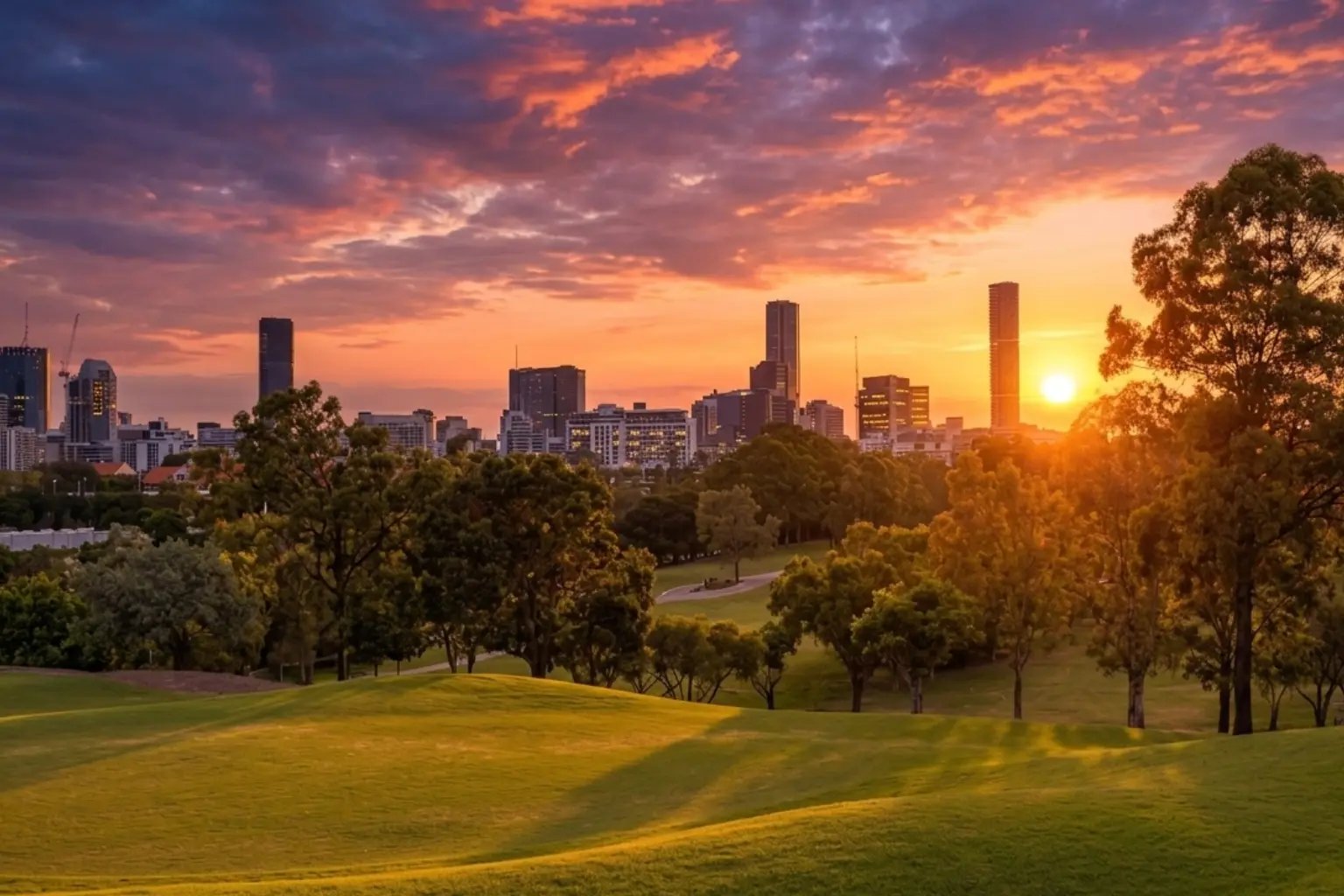

I have been spending a lot of time lately looking into the massive changes coming to our river city, and there is no bigger talking point right now than Victoria Park. For years, this has been a place for a weekend bucket of balls or a family walk, but the latest reports from the 2032 Delivery Plan show that this green heart of Brisbane is about to become a global landmark.
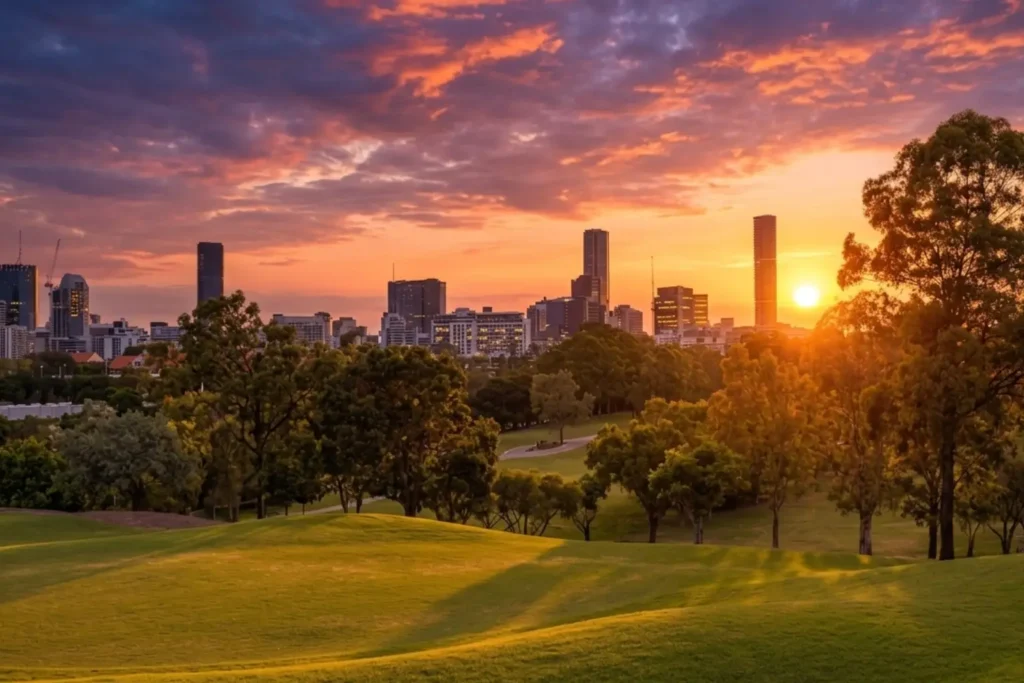
While I have not made it out to the ridge at Herston this week, I have been digging through the latest maps and infrastructure reports from the Games Independent Infrastructure and Coordination Authority. We are looking at a $3.8 billion investment that will completely redefine the inner north.
Why Victoria Park was the Final Choice
One of the biggest questions I hear is why we are spending billions here instead of sticking with the original plan for the Gabba. I have been looking into the decision papers, and it comes down to three main things: space, accessibility, and legacy.
Unlike the Gabba, which is boxed in by schools and main roads, Victoria Park offers 64 hectares of room to move. It is essentially a blank canvas. By choosing this site, the government avoids the messy and expensive process of demolishing residential blocks or forcing a school to move.
The reports also highlight that Victoria Park is uniquely positioned between the city and the Royal Brisbane and Women Hospital. It connects to the existing busway and the new Cross River Rail network, making it the most logical spot for a massive crowds to arrive and depart without the usual bottlenecks we see at Woolloongabba. It is about creating a precinct, not just a building.
Why the Gabba Had to Go
For decades, the Gabba has been our fortress. But the reality is that the stadium is effectively boxed in by Main Road, Stanley Street, and the local primary school. I have seen the engineering reports that show the stadium is reaching the end of its life. To rebuild it properly, they would have had to knock down the school and close those major roads for years. It was a logistical nightmare that nobody wanted to sign off on.
Victoria Park, or Barrambin, was the circuit breaker. Because the council had already closed the 18 hole golf course back in 2021, the government saw a blank canvas. They realised they could build a world class 63,000 seat stadium without having to demolish a single school or buy up hundreds of residential homes. It was a cleaner, albeit more expensive, path forward for the city.
The New Home for the Lions and the Heat
I have been reading the official statements from the Brisbane Lions and Queensland Cricket, and they are already calling this a step change for sport in the city. Here is the deal for the fans as the precinct evolves:
- The Brisbane Lions: After 2032, the Lions will move their headquarters and home games from the Gabba to Victoria Park. The new stadium will have a 60,000 plus capacity, which is a huge jump from the 37,000 seats they have now.
- Queensland Cricket and the Heat: This will become the premier oval for Test matches and the Big Bash. The field of play is being designed to match the size of the Melbourne Cricket Ground, which means we can finally host the biggest international cricket events in our own backyard.
- The Gabba Legacy: Once the move is complete, the Gabba will be decommissioned. The current plan is to turn that site into a high density housing and entertainment precinct, which is meant to help with the housing crisis.
A Deep Dive into the History of Barrambin
To understand why this site is so special, you have to look at what it has been for the last century. Long before the Olympic rings were even a thought, this land was a vital meeting place for the Turrbal and Yagara people. It has always been a natural corridor, and that heritage is something the new plans say they are working hard to honour. The name Barrambin reflects the ancient connection to the ridge and the scrub that once covered this area.
Since the late 1800s, Victoria Park has had a bit of an identity crisis. It has been a quarry, a grazing area, and even a temporary housing site during the Great Depression. Most of us, however, know it as the home of the Victoria Park Golf Course which opened back in 1931.
When the council made the big call to close the 18 hole course in 2021, it was to give the land back to the people as a massive public park. Little did we know then that it would soon be tapped to host the biggest sporting event on the planet. I have been looking at the old site plans, and the shift from a quiet fairway to a global event hub is one of the most ambitious urban transformations I have seen in Brisbane.
What the Wider Victoria Park Transformation Looks Like
While most of the news focuses on the stadium in Victoria Park, I want to talk about what is happening to the rest of the park. The goal is to create a central park for Brisbane that is double the size of the City Botanic Gardens.
I have been reviewing the master plan renders, and they show a massive focus on returning the land to nature. We are looking at:
- Extensive Wetland Restoration: Using natural water filtration to turn the lower sections of the park into a lush, biodiverse sanctuary.
- Revegetation Corridors: Planting thousands of native trees to create a forest canopy that will cool the area by several degrees.
- Community Play Spaces: Massive adventure playgrounds and picnic areas that are designed to stay open for the public both before and long after the 2032 Games.
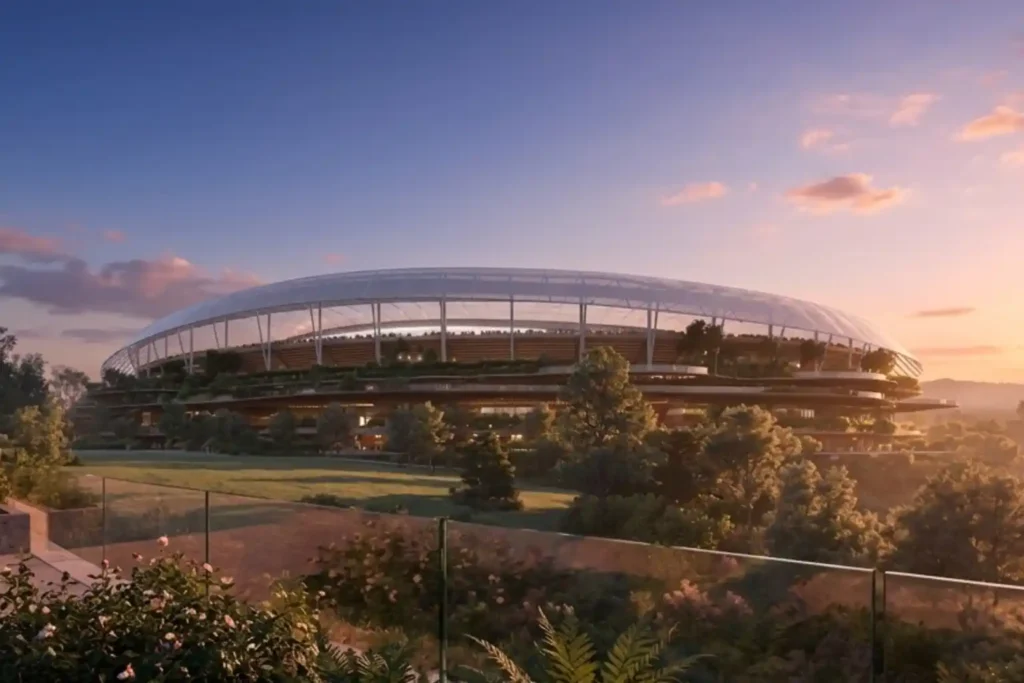
- The Queenslander Style Stadium: A world class 63,000 seat arena that will serve as the centrepiece for the opening and closing ceremonies. (I will be doing a deep dive into the specific stadium design and construction in my next post).
Current Status: When do the Shovels Hit the Dirt?
Even though I am writing this from my research desk, the latest official updates show that the site is already seeing plenty of action. We are currently in the early works and design phase, but the wait for the heavy lifting is almost over. According to the latest Olympic Stadium delivery reports, full construction for the precinct is set to begin on June 1, 2026.
Well, the shovels have hit the dirt. GIICA took full possession of the site on 1 September, and BMD, a Queensland family owned construction outfit, has moved in to run the early works program. That means bulk earthworks, haul roads, stormwater drains, retaining walls and a logistics plaza all taking shape before the actual build begins. The federal environmental clearance came through in May too, a not a controlled action decision, which in plain English means an independent assessment found no nationally significant environmental matters standing in the way. So there is nothing left on the paperwork side to slow this down now.
There is a part of this story that does not get much airtime in the official updates. Back in February, the state government pushed changes through parliament converting the land from a council administered trust into freehold tenure, clearing the way for construction. Those changes went through without debate, committee review, or public comment, which has not sat well with everyone. A group of First Nations activists set up a tent embassy on site in April in protest, and were removed by police in late May. I am not here to tell you which side of that to land on, but if you are following this project, it is part of the story and worth knowing.
On the legacy side, GIICA has now released a draft precinct wide masterplan, prepared by global engineering firm Arup, connecting the new stadium, the National Aquatic Centre, the Showgrounds, and the Athletes Village into one long term plan for the park. Public consultation on that plan is open now and runs until 27 September, so if you want a say in how Victoria Park looks after the Games, this is your window.
For the full rundown on where all seventeen venues stand, I am keeping a running tracker over on my Brisbane 2032 Olympic Venues progress page.
The Reality Check on Transport and Access
One thing I always like to look at is the practical side of things. How are people actually going to get to Victoria Park? The government brochures talk about the proximity to the city, but if you have ever tried to find a park near the hospital, you know that driving is not an option.
The success of the Victoria Park precinct is going to rely entirely on the Brisbane Metro and the upgraded Exhibition Station. The plan is for the park to be one of the most connected venues in the world. However, we need to be honest about the pressure this puts on the local streets.
If you live in Herston or Kelvin Grove, the Victoria Park construction phase starting this June is going to be a headache. We are talking about years of truck movements and road closures. For those of us used to driving to the footy, this is going to be a big shift. There will be almost zero public parking at the venue. So it’ll be way worse than parking for a Suncorp State of Origin game. You will be taking the bus or the train, or you will be walking pretty long distances.
A Legacy for Brisbane After 2032
We are trading a few years of construction chaos for Victoria Park to serve the city for the next hundred years. It is a massive bet, but when you look at how cramped the Gabba has become, it is a bet that the government felt they had to take. The stadium will serve as a global stage, but the daily benefit will be that massive urban forest and the restored lagoons.
While the construction over the next few years will be a major disruption, the long term vision for this part of Brisbane is something that will change the city forever. It is a big price tag, but if they get the transport right, the upgrades to Victoria Park could be the best thing to happen to the inner north in decades.
Do you think the $3.8 billion price tag is worth it for a new central park and stadium, or should the money have gone toward upgrading our existing transport first?
